
Insight’s Guide to DIY Healing in Healing
Can I Get the Benefits of Nature-Based Therapy on My Own?
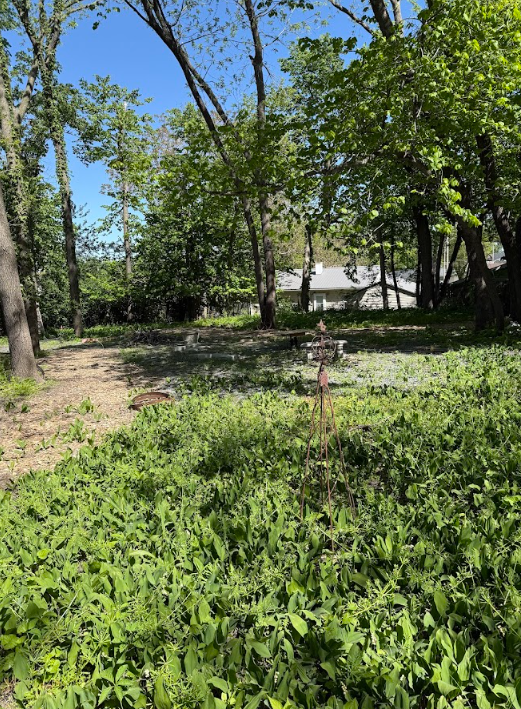
You’ve heard about nature-based therapy. Maybe you read our last post on the mental health benefits of horticulture therapy and outdoor sessions at Insight Therapy Group’s “Search Within” space. Now you’re wondering: Can I just go outside and get the same results on my own?
The short answer is yes – and no.
What You Can Do on Your Own (And Why You Should)
Spending intentional time in nature is good for you. That’s not just a feeling; it’s backed by research. Even a twenty-minute walk in a Cedar Rapids park can lower cortisol (your body’s main stress hormone) and improve your mood. You do not need a therapist to sit under an oak tree at Morgan Creek Park or watch the river flow at Ellis Park. The simple act of paying attention to the natural world is a form of self-care.
So yes, you can absolutely experience some of the benefits of nature-based therapy on your own. And I want to help you do that safely and effectively.
But Here’s What You Might Miss
Nature-based therapy (NBT) is different from just “being outside.” In a formal therapy setting, a trained clinician uses the natural environment as a tool to help you reach specific mental health goals – like processing trauma, managing anxiety, or rebuilding trust after a loss.
The therapist brings clinical skills: knowing when to gently push, when to sit in silence, and how to connect what happens with a plant or an animal back to your inner world.
On your own, you won’t have that guidance. You might also avoid discomfort (like sitting with sadness) instead of working through it. That’s okay for maintenance. But for deeper healing, guided work in a space like our “Search Within” outdoor therapy area can make all the difference.
How to Practice DIY Nature-Based Therapy in Cedar Rapids
If you want to start on your own – as a complement to therapy or just for daily wellness – preparation helps. Here’s a packing and activity guide based on exactly what we use in our professional sessions.
Safety & Preparedness
Grab a small backpack. Include a first-aid kit, sunscreen, bug spray, plenty of water, and extra seasonal clothing (think a light jacket even in summer – Iowa weather changes fast).
Comfort & Seating
You don’t need fancy gear. A lightweight sit pad, a portable mat, or even a small hammock lets you stay in one place long enough to really notice your surroundings.
Observation Tools
Binoculars for birds at Indian Creek Nature Center. A magnifying glass to study moss or bark. A compass to practice orienteering. A camera to capture what catches your eye without the distraction of a phone screen.
Creative & Journaling Materials
Bring a sketchbook, watercolor pencils, or crayons. Or keep a nature journal – just a notebook where you write down one thing you saw, one thing you heard, and one thing you felt. This turns a random walk into a mindful practice.
Therapeutic Activity Props
Sensory items work wonders. A magnifying glass for looking closely at patterns. Sun print kits (cyanotype paper) to make art from shadows. Nature-based cards with prompts like “find something rough” or “find something that reminds you of hope.”
Reference Materials
Pack a local tree, bird, or wildflower guide. The Linn County Conservation website has printable checklists. Learning to name what you see – “that’s a red-tailed hawk, not a Cooper’s” – builds a sense of belonging and mastery.
A Simple Cedar Rapids Nature Routine You Can Start Today
Try this 30-minute practice at Prairie Park Fishery or Beverly Park:
1. Arrive – Leave your phone in the car or on airplane mode. Take three slow breaths.
2. Notice – Find a comfortable place to sit. Use your senses. What do you smell? What moves? What is still?
3. Interact – Using your magnifying glass or journal, pick one small thing (a leaf, a rock, a feather) and study it as if you’ve never seen it before.
4. Reflect – Write one sentence about how you feel now versus when you arrived.
Do this three times a week. After a month, you will notice a difference in your stress levels and your ability to focus.
When to Move from DIY to Guided Therapy
If you try this and find yourself overwhelmed, distracted, or unable to stick with it – that’s not a failure. That’s information. It may mean you would benefit from doing this work alongside a clinician.
At Insight Therapy Group, our “Search Within” space was built for exactly that purpose. You get all the benefits of nature plus a trained therapist who knows how to help you apply those experiences to anxiety, depression, trauma, or relationship challenges.
The Bottom Line
Can you get benefits of nature-based therapy on your own? Yes – especially for stress reduction, mindfulness, and daily mood management.
How do you do that? Start with the gear list above and try the simple routine in any Cedar Rapids park or natural area.
But for deeper, lasting change – the kind that rewires how you respond to triggers or process grief – consider scheduling a guided outdoor session with us. You don’t have to choose one or the other. Many clients do both: solo nature time during the week, plus professional NBT at “Search Within” every other Tuesday.
Ready to explore what guided nature-based therapy could look like for you? Contact Insight Therapy Group today. We are the only practice in the Cedar Rapids corridor offering a dedicated therapeutic outdoor space like “Search Within.” Let’s grow – together.
Bird Preserve Offers Additional Connections to Nature in Linn County Linn County Iowa. August 5, 2024
Self-Care in Nature: 10 Realistic Practices Nov 26 By Julia Page, LICSW Bradley Reach
|Mind Matters|Mindfulness. Rooted in Calm: Embracing Mindfulness in Nature. UMass Memorial Health