
What Is Horticulture Therapy?
And How Is It Different From Nature-Based Therapy?
You keep hearing about therapy outdoors. Maybe you have seen the terms horticulture therapy and nature-based therapy used almost interchangeably. They are related – but they are not the same thing.
If you are considering outdoor mental health support at Insight Therapy Group’s “Search Within” space, understanding the difference can help you choose what fits you best.
What Is Horticulture Therapy?
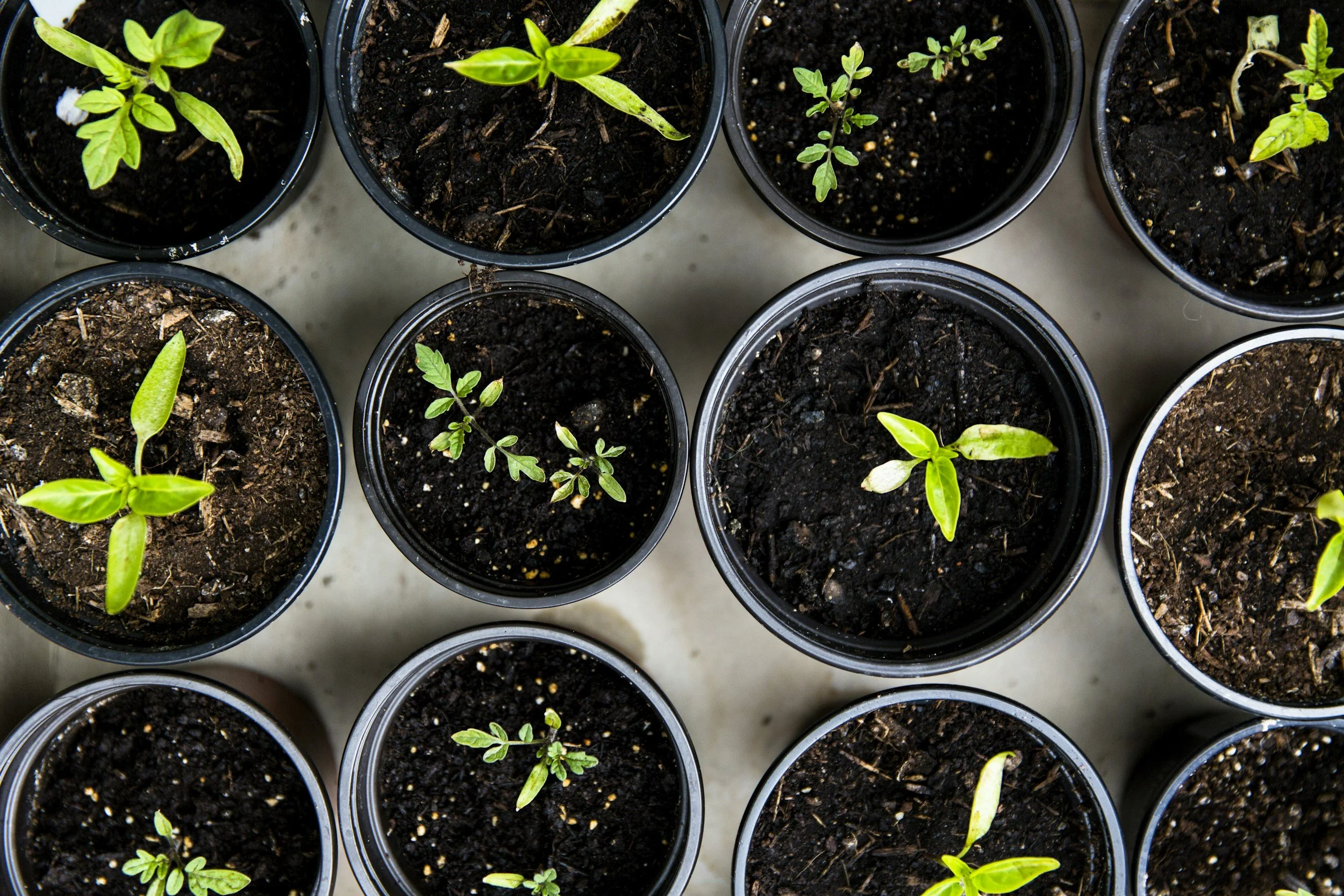
Horticulture therapy is a structured, evidence-based practice that uses plants, gardening, and nature-based activities to achieve specific therapeutic goals. This is not just casually watering a houseplant. It is led by a trained professional – sometimes a registered horticultural therapist (HTR).
The purpose is to improve your body, mind, and spirit through the human-plant connection.
Common activities include:
- Planting seeds
- Garden maintenance (weeding, pruning)
- Flower arranging
- Harvesting vegetables or herbs
- Nature-based crafts like pressing leaves or making seed bombs
Every activity is tailored to your specific needs and abilities. For example, someone recovering from a brain injury might practice fine motor skills by transplanting seedlings. Someone with anxiety might learn grounding by feeling soil run through their fingers.
According to the American Horticultural Therapy Association, this approach is used in hospitals, rehabilitation centers, nursing homes, and even correctional facilities. It helps people with physical disabilities, mental illness, trauma, and cognitive decline.
Key takeaway:
Horticulture therapy is clinical and goal-driven. The plant is the tool. The therapist is the guide. Progress is measured.
What Is Nature-Based Therapy (NBT)?
Nature-based therapy is a broader umbrella term. It includes any therapeutic intervention that intentionally uses the natural environment to improve mental health.
That can mean:
- Horticulture therapy (working with plants)
- Animal-assisted therapy (working with a therapy dog, for example)
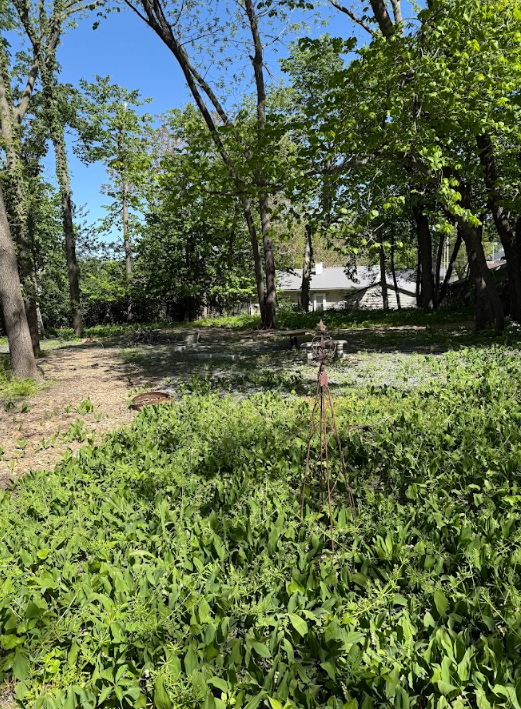
- Environmental immersion (sitting by a creek, walking a forest trail, or practicing mindfulness in a garden)
- Wilderness therapy (multi-day outdoor expeditions, usually for adolescents)
At Insight Therapy Group, our “Search Within” space offers horticulture therapy and environmental immersion. You might spend one session planting pollinator-friendly flowers, and the next session simply sitting on a mat, listening to wind move through the trees, with your therapist helping you notice what feelings come up.
NBT draws on theories like biophilia – the idea that humans have an innate need to connect with nature – and attention restoration theory, which says that natural settings help recharge our depleted mental energy.
Another way to think about it: All horticulture therapy is nature-based therapy, but not all nature-based therapy is horticulture therapy. Horticulture therapy is a subset of nature-based therapy. It is the plant-focused, gardening-heavy cousin.
Which One Is Right for You?
That depends on what you need.
Choose horticulture therapy if:
- You enjoy hands-on activities
- You want to rebuild fine motor skills, endurance, or memory
- You find peace in nurturing something alive
- You struggle with traditional talk therapy and need a task to focus on while you speak
Choose broader nature-based therapy (without required gardening) if:
- You simply want to be outside with a therapist
- Physical limitations make gardening difficult
- You prefer walking, sitting, or using observation tools (binoculars, magnifying glasses, journals)
- You want to incorporate animal-assisted therapy or environmental immersion
At Insight Therapy Group, you do not have to choose permanently. Many clients start with nature-based therapy to build comfort outdoors, then move into horticulture therapy as their goals shift. Others mix both across different sessions.
A Note on Professionals and Safety
If you pursue horticulture therapy elsewhere, look for a Horticultural Therapist-Registered (HTR). This credential requires coursework in horticultural science and human science (psychology, sociology), plus supervised clinical hours.
If you pursue nature-based therapy with a licensed mental health counselor (like at our practice), ensure they have specific training in outdoor safety, weather preparedness, and ethical boundaries in nature settings. You saw our packing list in the last post – backpack, first-aid kit, water, bug spray, seasonal clothing. That is not optional. That is professional care.
The Bottom Line
Horticulture therapy uses plants as the primary tool for healing. It is structured, evidence-based, and often led by a specialist.
Nature-based therapy is the larger container. It holds horticulture therapy, animal-assisted work, and simple immersion in the outdoors.
Both are powerful. Both can reduce symptoms of anxiety, depression, and PTSD. Both belong in a modern therapy practice.
At Insight Therapy Group, we are proud to offer both inside our dedicated “Search Within” outdoor space – the only one of its kind in the Cedar Rapids corridor.
Ready to get your hands in the soil – or just sit beneath a tree and breathe? Contact us today. We will help you find the right fit.
Sources:
Horticultural Therapy: History, Benefits & Profession. American Horticultural Therapy Association (AHTA). AHTA. https://www.ahta.org/horticultural
Horticultural therapy, related people–plant programs, and other therapeutic disciplines. Haller, R. L., & Kennedy, K. L. Taylor & Francis Group / CRC Press
Nature matters in mental health. Rosa Roberts & Tom Fisher (Royal College of Psychiatrists). Royal College of Psychiatrists (Blog). March 6, 2024